

Your bedding does more than make your bedroom look inviting, it affects how comfortable and fresh you feel every night. Yet, small mistakes in everyday bedding care can lead to fading, shrinkage, roughness, odors, and premature wear. From using too much detergent to drying sheets at high heat, the wrong routine can quietly damage bedding fibers. Learning what to avoid can help your bed sheets, pillows, comforters, and linens stay comfortable and beautiful for longer.
1. Ignoring Care Instructions and Care Labels
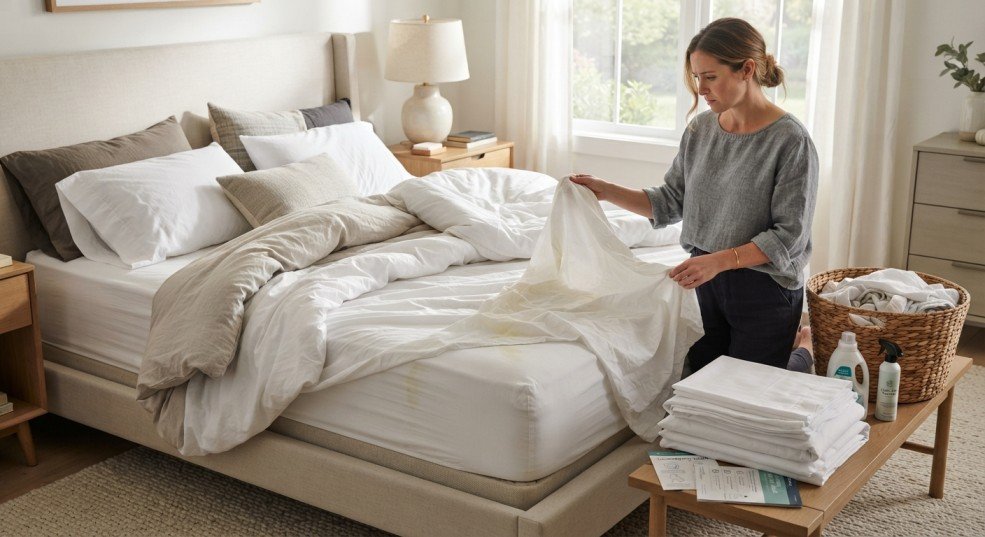
One of the easiest bedding care mistakes to avoid is overlooking the care label. Not every fabric responds to washing, drying, or cleaning products in the same way. Egyptian cotton, cotton percale, cotton sateen, linen bedding, and delicate fabrics may have different care requirements.
Before washing anything, check the care instructions provided by the manufacturer. They can tell you the recommended washing temperature, drying method, cycle, and whether certain cleaning products should be avoided.
Following those instructions is especially important for natural fibers. Proper care helps preserve their softness, appearance, breathability, and overall durability.
2. Not Washing Bedding Regularly
Bed sheets and pillowcases come into contact with your skin every night. Over time, they can collect dust, dirt, body oils, sweat, moisture, and allergens. Dust mites can also become a concern when bedding isn’t cleaned regularly.
Your washing frequency should depend on factors such as how much you sweat while sleeping, allergies, pets, climate, and personal preference. Sheets and pillowcases generally need more frequent washing than decorative blankets or quilts.
Duvet covers are also important because they create a washable layer between you and the duvet insert. Regular bedding maintenance helps support better hygiene while keeping your sleeping environment comfortable and fresh.
3. Using Too Much Laundry Detergent
More laundry detergent does not necessarily mean cleaner bedding. In fact, using too much can leave residue trapped in the fabric. That buildup may make sheets feel stiff or less comfortable and can become particularly noticeable with frequent washing.
Use the amount recommended by the detergent manufacturer and your washing machine. For many bedding materials, a gentle detergent is a sensible choice, especially when preserving softness and fiber durability is a priority.
Harsh chemicals should also be avoided unless the care instructions specifically allow them. Bedding is in prolonged contact with your skin, so a simple and appropriate cleaning routine is often better than an overly aggressive one.
4. Using Fabric Softener or Bleach Without Checking the Fabric
Fabric softener can make some fabrics feel smoother, but it isn’t suitable for every type of bedding. Depending on the material, it may leave a coating on fibers or affect properties such as absorbency and breathability.
Bleach can also cause problems when used incorrectly. Certain fabrics and colors may experience fabric fading, weakening, or other forms of fabric damage.
Rather than automatically adding these products to every wash, check the care labels first. If you’re uncertain about a particular material, follow the manufacturer’s recommendations instead of relying on a one-size-fits-all laundry routine.
5. Washing Bedding at the Wrong Temperature
Washing temperature plays an important role in bedding care. Extremely hot water may seem like the best way to clean sheets, but excessive heat can contribute to shrinkage, fading, and fiber damage.
At the other extreme, choosing a temperature that’s too low may not always provide the cleaning results you need. The right choice depends on the bedding materials and the care instructions.
For quality bedding, the goal isn’t simply to use the hottest setting available. It’s to use the temperature recommended for that particular fabric while maintaining good hygiene.
6. Overloading the Washing Machine
A full washing machine may save time, but stuffing too much bedding into one load can prevent everything from getting properly cleaned.
Bed sheets, duvet covers, comforters, and quilts need enough room to move freely through the wash cycle. An overloaded machine can result in poor rinsing, detergent residue, excessive wrinkles, and uneven cleaning.
Large or bulky pieces may be better washed separately. Giving them enough space can improve cleaning while reducing unnecessary stress on bedding fibers.
7. Drying Bedding With High Heat
The dryer can be one of the biggest sources of accidental bedding damage. High dryer heat can contribute to shrinkage, fabric fading, roughness, and weakened fibers over time.
When the care label permits it, low heat is often a gentler option. Air drying can also be useful for suitable bedding, particularly when you want to minimize prolonged exposure to high temperatures.
Whatever drying method you choose, don’t put bedding away until it is completely dry. Remaining moisture can create unpleasant odors and make storage less hygienic.
8. Neglecting Mattress Protectors and Pillow Protectors
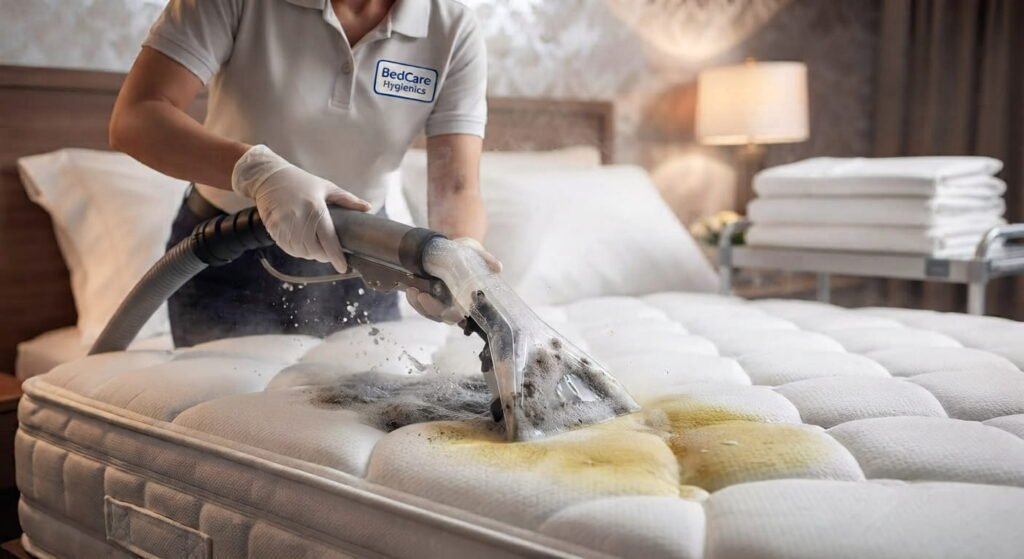
Sheets aren’t the only bedding that need protection. A mattress protector provides an additional barrier against moisture, dirt, body oils, stains, and everyday wear. Waterproof mattress pads can be particularly useful when protection from spills or moisture is a priority.
A pillow protector serves a similar purpose by helping shield pillows from sweat, oils, dust, and other buildup.
Both mattress pads and protectors should be cleaned according to their individual care instructions. Keeping these protective layers clean can make your overall bedding hygiene routine much easier.
9. Forgetting About Pillow Maintenance
Pillows are often overlooked because they sit underneath a pillowcase. However, they still need regular attention.
Pillow maintenance may include cleaning according to the manufacturer’s instructions, checking for signs of wear, allowing pillows to air properly, and using a pillow protector. Proper drying is especially important after washing to prevent moisture from remaining inside.
Your sleeping position should also influence your pillow choice. Side, back, and stomach sleepers can have different support needs, and the right pillow can contribute significantly to sleep comfort.
10. Treating Every Bedding Material the Same
One of the most important rules of bedding care is to understand that different materials behave differently.
Egyptian cotton is known for its smooth, comfortable feel, while cotton percale typically has a crisp texture. Cotton sateen uses a different sateen weave that gives it a smoother, silkier surface. Linen bedding, meanwhile, is valued for its natural texture and breathability.
These differences matter when creating a washing and drying routine. A method that works well for one material may not be appropriate for another. Always consider the specific bedding materials before choosing temperature, detergent, cycle, or drying method.
11. Neglecting Duvet Covers, Comforters, Blankets, and Quilts
Different bedding pieces require different levels of attention. Duvet covers can usually be cleaned more frequently because they sit directly against your body, while comforters, blankets, and quilts may require less frequent cleaning depending on their use.
Down comforters and down-alternative comforters deserve particular attention. Their filling can require specific washing and drying procedures, and thorough drying is essential.
Never assume that a bulky comforter can be treated exactly like a set of bed sheets. Check the care label before washing, and make sure the item is completely dry before storing or putting it back on the bed.
12. Storing Bedding While It Is Still Damp
Moisture and bedding storage do not mix well. Even a small amount of trapped moisture can contribute to musty smells and an unpleasant storage environment.
Whether you’ve washed sheets, blankets, quilts, or comforters, allow them to dry completely before folding them away. Avoid packing bedding tightly while it is warm or damp.
Clean, dry storage is an important part of fabric preservation and can help maintain bedding longevity between uses.
13. Overlooking Breathability and Personal Comfort
Bedding should feel comfortable throughout the night, not just look attractive on the bed. Breathability is particularly important for hot sleepers who tend to become warm or sweaty during the night.
Natural fibers can offer useful breathability, although the best choice depends on the individual and the bedding construction. Cold sleepers may prefer warmer comforters or additional blankets, while hot sleepers may benefit from lighter, more breathable layers.
Your bedding should work with your sleeping habits rather than against them.
14. Assuming Thread Count Is the Only Sign of Quality
Thread count is often used as a quick way to compare sheets, but it shouldn’t be the only consideration. A higher number doesn’t automatically mean better bedding.
Look at the complete picture, including the quality of the bedding fibers, weave, finish, breathability, softness, durability, and overall construction. Cotton percale and cotton sateen, for example, offer different textures and sleeping experiences despite both being cotton-based options.
Choosing bedding based on the material and feel that suit you is often more useful than focusing on a single number.
15. Choosing the Wrong Bedding Size
Even high-quality bedding can perform poorly when it doesn’t fit correctly. Sheets that are too small may pull against mattress corners, while oversized bedding can bunch or shift during the night.
This can be especially challenging when you have an unusual mattress size. Specialty-size bedding and custom bedding can provide a better solution when standard dimensions aren’t suitable.
Custom linen sets can also help create a coordinated look when beds in the same room have different dimensions. When caring for specialty-size bedding, follow the same principle: check the care instructions and use a washing and drying method appropriate for the material.
A Simple Bedding Care Routine
Good bedding care doesn’t need to be complicated. Start by reading the care labels and separating items according to their materials and cleaning requirements. Use an appropriate laundry detergent, avoid unnecessary harsh chemicals, and select the recommended washing temperature.
Don’t overload your washer, and avoid high dryer heat unless the care instructions specifically recommend it. When possible, use low heat or air drying for suitable fabrics. Make sure every item is completely dry before storing it.
Finally, remember the pieces beyond your sheets. Clean mattress protectors and pillow protectors, maintain pillows properly, and give comforters, blankets, and quilts the material-specific care they need.
How Proper Bedding Care Improves Longevity and Sleep Comfort
A thoughtful bedding care routine protects more than the appearance of your linens. It helps preserve softness, breathability, fiber durability, and overall comfort while reducing unnecessary fabric damage.
Regular cleaning also supports bedding hygiene by removing accumulated dust, dirt, body oils, moisture, and allergens. When bedding is washed, dried, stored, and protected correctly, it can maintain its quality for much longer.
For specialty-size bedding or higher-quality materials, proper care becomes even more valuable. Replacing damaged bedding repeatedly can be expensive, while simple maintenance can help protect your investment.
Frequently Asked Questions About Bedding Care
How often should you wash bed sheets?
Bed sheets should be washed regularly because they collect body oils, sweat, dust, dirt, and allergens. The ideal washing frequency varies based on personal habits, climate, sweating, allergies, and whether pets share the bed.
What is the best washing temperature for bedding?
There isn’t one temperature that works for every fabric. Always follow the care label and choose a washing temperature suitable for the specific bedding material.
Is high heat bad for bedding?
Frequent exposure to high heat can contribute to shrinkage, fading, and fiber damage. If permitted by the care instructions, low heat or air drying can be a gentler alternative.
Can you use fabric softener on all bedding?
No. Fabric softener isn’t appropriate for every material. Check the care instructions before using it, particularly with specialty or delicate fabrics.
How should you care for Egyptian cotton bedding?
Follow the manufacturer’s care instructions, use an appropriate detergent, avoid unnecessary harsh chemicals, and use the recommended washing and drying temperatures. Proper care helps maintain its softness and durability.
How do you care for linen bedding?
Linen bedding should be cared for according to its specific care label. Avoid unnecessarily aggressive washing or drying methods, and pay attention to temperature and drying recommendations.
How can you make bedding last longer?
Wash bedding regularly, use the correct detergent and temperature, avoid overloading the washer, minimize unnecessary high heat, dry bedding thoroughly, and protect mattresses and pillows with appropriate protective layers.
Final Takeaway: Avoid These Bedding Care Mistakes
Taking care of bedding properly comes down to a few consistent habits: read the care labels, wash regularly, use suitable cleaning products, avoid unnecessary heat, and treat each material according to its needs. Whether you’re caring for bed sheets, linen bedding, pillows, comforters, or custom linen sets, these simple practices can protect softness, hygiene, durability, and long-term comfort.