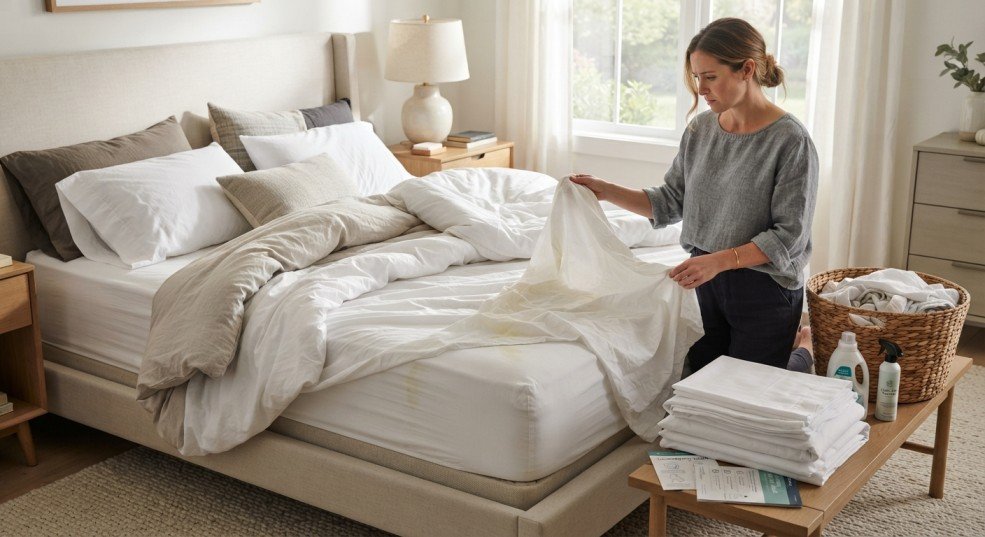


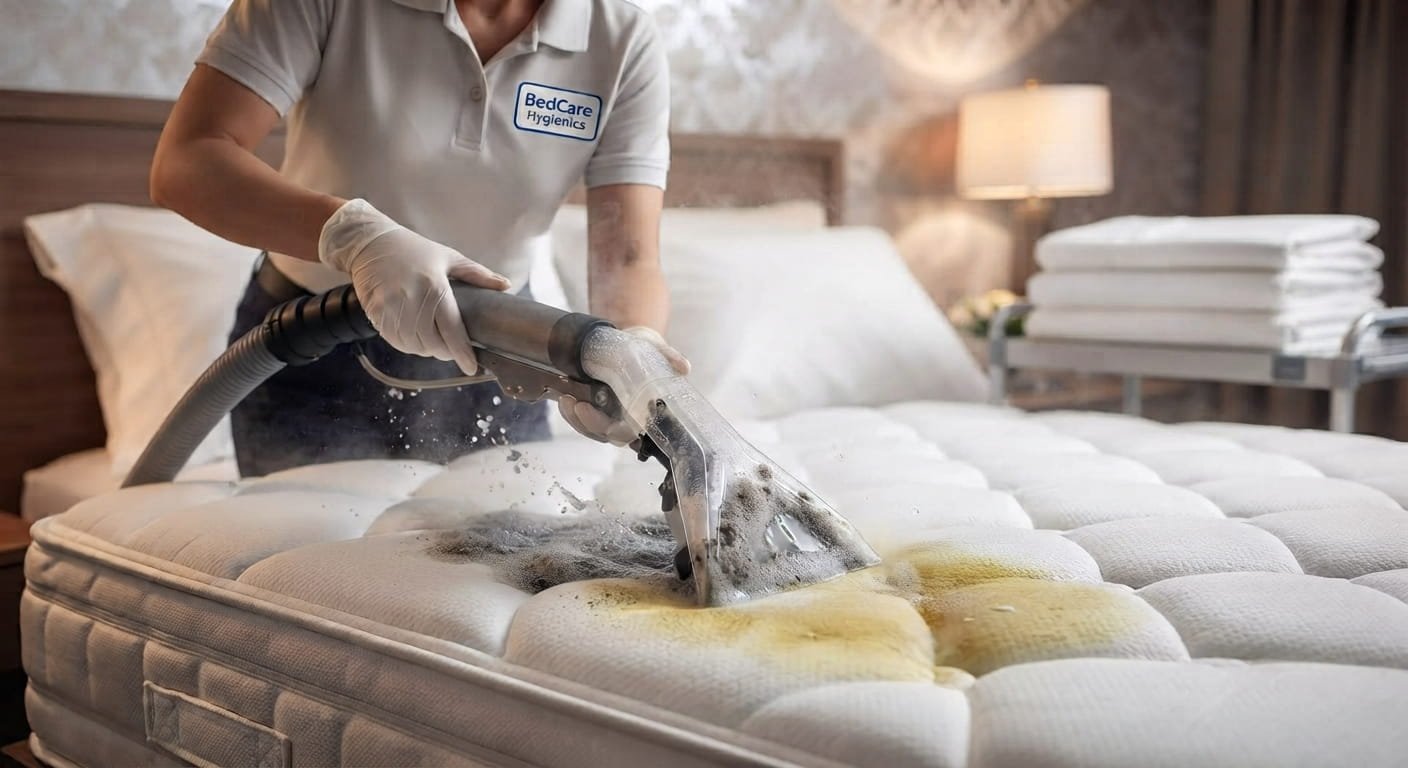
Fresh bedding feels good, but keeping it clean is about more than enjoying that freshly laundered smell. While you sleep, your sheets collect sweat, body oils, dead skin cells, dust, and other everyday debris. For most people, washing bed sheets and pillowcases once a week is a sensible routine. However, your ideal schedule can change if you sweat heavily, sleep with pets, have allergies, or live in hot, humid weather.
Why Is It Important to Wash Your Bedding Regularly?
Your bed may look clean, but bedding can accumulate quite a bit over several nights. Every night, your body naturally releases sweat and body oils and sheds dead skin cells. Dust and dirt can also make their way into the bed, while bacteria and allergens may accumulate in fabrics over time.
This is one reason regular washing matters. Cleveland Clinic notes that bed sheets can collect dust mites, dead skin, sweat, body oils, dirt, bacteria, and allergens such as dust and pet dander.
Regular cleaning also helps maintain a more pleasant sleep environment. Fresh bedding can feel cooler, cleaner, and more comfortable against the skin, which may contribute to better overall sleep quality.
Sweat, Body Oils, and Moisture Build Up Overnight
Even if you shower before bed, your body continues to produce oils and perspiration while you sleep. If you’re a hot sleeper, this can happen more noticeably.
Moisture buildup is especially worth considering during warm weather. Damp bedding that isn’t allowed to dry properly can become unpleasant and may contribute to odors. Giving bedding a chance to air out in the morning can help reduce lingering moisture.
Dead Skin Cells and Dust Mites
Your skin naturally sheds cells every day, and some of those dead skin cells end up in your bedding. Dust mites can also live in household fabrics and feed on skin flakes.
This doesn’t mean your bed is inherently dirty or dangerous. It simply explains why regular weekly washing is a sensible part of normal bedding care.
Bacteria, Allergens, and Pet Dander
Bedding can also collect bacteria, dust, and allergens from the surrounding environment. If you allow pets onto your bed, pet hair and pet dander can add another reason to wash bedding regularly.
For people dealing with allergies or asthma, keeping bedding clean may be particularly important. Cleveland Clinic recommends weekly sheet washing and notes that people with allergies, asthma, heavy sweating, pets, or illness may need to wash more frequently.
How Often Should You Wash Bed Sheets?
For most households, washing bed sheets about once a week is a practical starting point. Naturepedic similarly recommends weekly washing to remove sweat, body oils, dead skin cells, allergens, and bacteria.
That doesn’t mean everyone needs to follow exactly the same schedule. Someone who sleeps alone in a cool bedroom and doesn’t sweat much may be comfortable with a slightly longer interval, while another person may need to change sheets every few days.
When Should You Wash Sheets More Often?
Consider washing your sheets more frequently if you:
- Sweat heavily at night
- Sleep with pets
- Have allergies or asthma
- Have sensitive skin
- Are dealing with an illness or infection
- Live in hot and humid weather
- Notice odors, stains, stickiness, or visible dirt
During the summer months, for example, increased sweating can make bedding feel less fresh sooner than it does in cooler weather.
If your sheets feel damp, grimy, or noticeably soiled before your usual wash day, that’s a good reason to change them rather than waiting for the calendar.
How Often Should You Wash Pillowcases?
Pillowcases deserve particular attention because they have direct contact with your face and hair for hours at a time. They can collect sweat, body oils, skin cells, hair products, skincare products, and dust.
Weekly washing is a reasonable baseline, but people with oily skin, sensitive skin, or frequent acne and breakouts may prefer changing pillowcases more often.
A clean pillowcase also makes the entire bed feel fresher, even if the rest of your bedding doesn’t need to be washed yet.
How Often Should You Wash Duvet Covers and Duvets?
Duvet covers generally need more frequent washing than the duvet inside them because the cover is the layer that comes into contact with your body and absorbs much of the everyday sweat and oils.
If you’re using a duvet cover consistently, you don’t necessarily need to wash the duvet itself every week. Instead, follow the product’s care label and consider the level of exposure, the fabric, and whether the duvet has become stained or soiled.
A duvet that remains protected inside a clean cover can usually be cleaned less frequently than the cover itself.
How Often Should You Wash Comforters?
Comforters don’t always need the same washing schedule as sheets. If your comforter is covered by a duvet cover or another washable layer, it receives less direct exposure to your body.
Still, comforters should be cleaned periodically and whenever they become visibly dirty, develop an odor, or are exposed to spills. Always check the care label before washing, particularly if the comforter contains down or another specialized filling.
Overwashing certain comforters can place unnecessary stress on the fabric and filling, so proper care is more important than simply washing them as frequently as possible.
How Often Should You Wash Pillows?
Pillows can collect sweat, oils, skin cells, and dust, even when they’re protected by a pillowcase. Their washing frequency depends heavily on the material and the manufacturer’s instructions.
Some pillows can be machine washed, while others require spot cleaning or professional care. Never assume a pillow can be treated like a sheet.
Using pillow protectors can make maintenance easier by adding another washable barrier beneath the pillowcase. Dainty Linen offers both down and down-alternative pillows, along with pillow protectors, as part of its bedding collection.
How Often Should You Wash Mattress Protectors?
A mattress protector sits between your body and the mattress, helping protect the mattress from sweat, spills, dust, and other everyday messes.
Because protectors can absorb moisture and body oils, they should be washed according to their care instructions and whenever they’ve been exposed to significant spills or heavy sweating.
Keeping the protector clean also helps protect the mattress underneath. Dainty Linen carries quilted and waterproof mattress pads designed to provide an additional protective layer for your bed.
What About the Mattress Itself?
A mattress can’t simply be put in a washing machine, so its care routine is different from removable bedding.
Vacuuming the surface periodically can help remove dust and debris. If you have a spill, deal with it promptly using a cleaning method recommended by the mattress manufacturer. Avoid saturating the mattress with excessive moisture.
Allow the mattress to dry completely after any spot cleaning. This is particularly important because trapped moisture can contribute to unpleasant odors and, under the wrong conditions, mold and mildew.
A good mattress protector is one of the simplest ways to reduce the amount of dirt and moisture that reaches the mattress in the first place.
Should You Wash Bedding More Often in Summer?
For many people, yes. Summer months often bring warmer temperatures and increased sweating, particularly in areas with hot and humid weather.
If you wake up sweaty or your sheets feel damp, you may want to shorten your usual washing interval. Lightweight, breathable bedding can also make the bed feel more comfortable during warmer months.
The same principle applies to people who naturally sleep hot. Instead of following a rigid schedule, pay attention to how your bedding feels and adjust your routine accordingly.
Should You Wash Bedding Differently If You Have Pets?
If you’re sleeping with pets, your bedding is exposed to additional hair, dander, dirt, and whatever your pet has picked up during the day.
You don’t necessarily have to wash everything after every night, but you may need to clean sheets, blankets, and washable throws more often than someone who doesn’t allow pets on the bed.
A washable protective layer can also help. Regular vacuuming and removing visible pet hair between washes can keep the bed feeling cleaner.
When Should You Wash Bedding After an Illness?
If you’ve recently had an illness or infection, washing your bedding can be a sensible part of getting your sleep environment back to normal.
Change sheets and pillowcases if they’ve become heavily soiled from sweating, coughing, or other bodily fluids. Wash them according to the manufacturer’s instructions and make sure they’re completely dry before putting them back on the bed.
Once you’re feeling better, return to your normal bedding routine unless there is another reason to clean more frequently.
How to Wash Bedding Without Damaging It
Cleaning bedding properly isn’t just about frequency. The washing process itself can affect how long your sheets, duvet covers, and other bedding remain soft and attractive.
Check the Care Label First
Before putting anything into the washer, check the care label. Different fabrics and fillings can have very different requirements.
Some bedding is machine washable, while other pieces may require a gentler cycle or a different cleaning method.
Choose the Right Washing Temperature
The appropriate washing temperature depends on the material and the manufacturer’s instructions. Hotter isn’t automatically better for every fabric.
Follow the care label rather than assuming that every piece of bedding should be washed using the same temperature.
Use the Right Laundry Detergent
A suitable laundry detergent helps clean bedding without unnecessarily stressing the fabric. For delicate materials, a mild or gentle detergent may be a better option.
Using more detergent than recommended doesn’t necessarily make bedding cleaner. Excess product can remain in fabric and may affect how it feels against your skin.
Use Gentle Washing and Drying
Choose a washing cycle appropriate for the fabric. Delicate bedding may benefit from gentle washing and drying, while sturdier materials can generally tolerate more regular machine cycles.
Avoid excessive heat when the care label recommends otherwise. Low-heat drying can be useful for certain fabrics and filled products, helping reduce unnecessary wear.
Air Drying Bedding
Air drying is another option when appropriate. Fresh air can be a simple way to dry suitable fabrics while avoiding the heat of a dryer.
Whichever method you use, make sure bedding is completely dry before storing it or putting it back on the bed. Damp bedding can encourage unwanted moisture buildup.
How Often Should You Wash Different Bedding Items?
There’s no need to treat every piece of bedding exactly the same way. A simple routine can look like this:
| Bedding item | General frequency | Wash sooner when… |
| Bed sheets | About once a week | You sweat heavily, have pets, or are ill |
| Pillowcases | About once a week | You have oily skin, acne, or heavy sweating |
| Duvet covers | Regularly | They have direct body contact or become soiled |
| Duvets | Periodically | They are stained, soiled, or need freshening |
| Comforters | Periodically | There are spills, odors, or heavy exposure |
| Pillows | According to care instructions | They become soiled or develop odors |
| Mattress protectors | Regularly | There are spills, sweat, or accidents |
| Mattress | Surface cleaning as needed | There are stains, spills, or odors |
These are general guidelines rather than strict rules. Always follow the product’s care instructions.
How to Keep Your Bedding Fresh Between Washes
You don’t have to wash every item every day to maintain a fresh bed.
In the morning, consider leaving the bed uncovered for a short time rather than immediately trapping overnight moisture beneath the comforter. This can give damp bedding an opportunity to dry. Cleveland Clinic specifically recommends allowing sweaty sheets some time to dry before making the bed.
You can also remove visible dust and pet hair, keep the bedroom ventilated, and change individual pieces when they become noticeably dirty.
Using breathable bedding and protective layers can make everyday maintenance easier, too.
Common Bedding-Washing Mistakes to Avoid
One common mistake is assuming every bedding item needs to be washed on the same schedule. Sheets and pillowcases have much more direct contact with your body than a protected duvet insert or mattress.
Another is ignoring the care label. High-quality bedding can still become damaged if it’s washed at an unsuitable temperature, dried with excessive heat, or treated with an overly harsh product.
It’s also worth avoiding excessive detergent and putting bedding away before it is completely dry. Both habits can affect the fabric and contribute to unwanted odors or moisture.
Finally, don’t wait for bedding to look dirty before washing it. Sweat, body oils, allergens, and dead skin cells aren’t always visible.
Does Clean Bedding Improve Sleep Quality?
Fresh sheets won’t solve every sleep problem, but a clean, comfortable bed can make your nighttime routine more pleasant. Clean fabrics can feel better against the skin, reduce unpleasant odors, and create a more inviting sleep environment.
For people with allergies or sensitive skin, regular bedding care may also be particularly worthwhile. Cleveland Clinic notes that consistent sheet washing can help reduce exposure to allergens and improve comfort.
Ultimately, sleep quality depends on many factors, but clean bedding is one simple part of creating a bedroom where you can comfortably unwind.
Frequently Asked Questions About Washing Bedding
How often should you wash your bed sheets?
For most people, once a week is a practical starting point. You may need to wash them more frequently if you sweat heavily, sleep with pets, have allergies, or live in hot and humid conditions.
Is washing bedding once every two weeks enough?
For some people, washing every one to two weeks may be manageable, particularly if they don’t sweat much and don’t share the bed with pets. However, weekly washing is a better general routine for sheets and pillowcases.
How often should you change your pillowcases?
About once a week is a reasonable baseline. If you have oily skin, acne, sensitive skin, or heavy night sweating, changing them more frequently may be preferable.
How often should you wash a duvet cover?
Wash your duvet cover regularly, especially if it has direct contact with your skin. The exact schedule depends on your sleeping habits, fabric, and care instructions.
How often should you wash a comforter?
Comforters generally don’t need weekly washing when protected by a clean cover. Follow the manufacturer’s care instructions and wash when the comforter becomes soiled or develops odors.
How often should you wash pillows?
It depends on the pillow’s construction and care instructions. Some can be washed periodically, while others require spot cleaning. Pillow protectors can provide an additional washable barrier.
Should you wash bedding more often if you sleep with pets?
Yes, you may need to. Pet hair, dander, dirt, and allergens can accumulate more quickly when animals share the bed.
Should hot sleepers wash their bedding more frequently?
They may benefit from doing so. Heavy night sweating increases moisture and body-oil buildup, so a shorter washing interval can help keep bedding feeling fresh.
What temperature should you wash bedding at?
Use the washing temperature specified on the care label. The appropriate temperature depends on the fabric and construction of the bedding.
How can you keep bedding fresh between washes?
Allow bedding to air out, remove visible dust and hair, manage moisture, and change individual pieces when they become noticeably soiled. A well-ventilated bedroom can also help maintain a fresher sleep environment.
Create a Cleaner, More Comfortable Bed
For most people, washing bed sheets and pillowcases once a week is a simple place to start. But the right routine depends on your lifestyle, climate, pets, sleeping temperature, and individual needs. Clean bedding isn’t only about hygiene, it also helps your bed feel fresh and inviting. With proper washing, drying, and care, quality bedding from Dainty Linen can stay comfortable, attractive, and ready for a good night’s rest.