

Choosing the right mattress pad can make a bigger difference to your sleep than you might expect. It adds comfort, helps protect your mattress, and can make everyday bed care easier. However, with so many materials, thicknesses, and designs available, finding the right one can feel confusing. The best choice depends on your sleeping habits, comfort preferences, and the type of mattress you own.
What Is a Mattress Pad and Why Do You Need One?
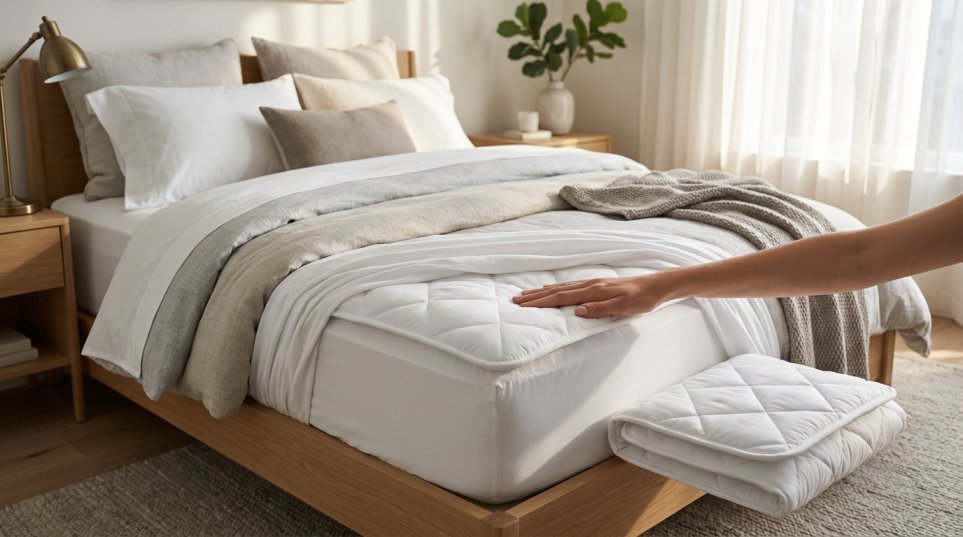
A mattress pad is a removable layer that sits on top of your mattress, usually underneath your fitted sheet. It provides an additional layer of cushioning while helping protect the mattress from everyday dirt, perspiration, and general wear. Depending on its construction, it can also improve breathability or provide extra softness.
Although mattress pads, mattress toppers, and mattress protectors are often confused, they serve different purposes. A mattress pad generally combines light cushioning with everyday protection. A mattress topper is usually thicker and designed to change how a mattress feels, while a mattress protector focuses mainly on preventing spills, stains, and moisture from reaching the mattress.
Some products combine these features, so it is worth checking their specifications before buying. Understanding what you need from your bedding is the first step towards finding the right mattress pad.
7 Important Factors to Consider When Choosing a Mattress Pad
1. Choose the Right Mattress Pad Thickness
Thickness affects how a mattress pad feels and how much cushioning it provides. A thinner design offers a light protective layer without significantly changing the mattress surface. A medium-thickness option can provide a little more softness, while thicker styles generally offer more noticeable extra cushioning.
However, thicker does not always mean better. If your mattress already feels comfortable, a lightweight pad may be all you need. If the surface feels slightly firm, a quilted design with additional filling may make it more pleasant.
Think about your existing mattress before deciding. A mattress pad should improve your sleeping experience rather than make your bed feel unnecessarily bulky.
2. Consider the Mattress Fill Material
The mattress fill material plays an important role in softness, warmth, and overall comfort. Different fillings offer different sleeping experiences, so consider what feels best to you.
Polyester fill is commonly used because it is lightweight, affordable, and easy to maintain. It can provide a soft, cushioned surface suitable for everyday use. Down alternative fill is another popular option, particularly for people who prefer a plush feel without using natural down.
Memory foam is known for contouring to the body and providing pressure relief. Natural latex offers a more responsive feel and is often chosen by people who prefer cushioning without the same sinking sensation associated with some memory foam products.
Remember that memory foam and natural latex are more commonly found in thicker comfort layers and mattress toppers than in traditional thin mattress pads. Check the product construction to understand what you are actually purchasing.
3. Select a Material That Matches Your Preferences
The outer fabric matters just as much as the filling. It affects how the mattress pad feels against your sheets, how well it manages moisture, and how comfortable it is throughout the night.
A cotton mattress pad is a popular choice because cotton feels soft, is comfortable against the skin, and allows airflow. It is suitable for everyday bedding and works well for people who prefer natural-feeling fabrics.
Organic cotton is another option worth considering. It appeals to shoppers who prefer organically produced textiles and want more information about how their bedding materials are sourced. Look for clear product descriptions and relevant certifications when purchasing organic bedding.
A bamboo mattress pad may also appeal to people looking for a soft fabric with moisture-managing properties. However, bamboo-derived textiles can be manufactured in different ways, so check the actual fabric composition rather than relying only on the word bamboo.
You may also come across thread count when comparing bedding. Although it can provide some information about fabric construction, it should not be the only measure of quality. Material, weave, stitching, and overall workmanship matter too.
4. Look for Cooling and Breathable Features
If you regularly wake up feeling too warm, choosing a mattress pad with breathable construction can help make your bed more comfortable.
A cooling mattress pad is designed to support a more comfortable sleeping temperature. Depending on its material, it may encourage airflow and help prevent heat from becoming trapped beneath the sleeper.
Look for moisture-wicking fabric if managing perspiration is important to you. These fabrics are designed to draw moisture away from the body or surface, helping reduce the feeling of dampness.
Temperature regulation depends on several factors, including fabric, filling, mattress construction, and room conditions. Cotton and other breathable materials are worth considering if you prefer a lighter sleeping surface. Also, remember that a mattress pad advertised as cooling is not necessarily actively temperature-controlled. Its performance depends on its actual construction.
5. Decide Whether You Need Waterproof Protection
A waterproof mattress pad can be particularly useful if you want additional protection against accidental spills, perspiration, or other liquid exposure.
Unlike a standard padded design, a waterproof option includes a protective layer intended to prevent liquids from passing through to the mattress. This can be helpful for families with children, pet owners, and households where spills are more likely.
Some people assume waterproof and water-resistant mean the same thing, but they can describe different levels of protection. Water-resistant materials may repel limited moisture, while waterproof construction is designed to provide a stronger barrier.
One important consideration is breathability. Certain protective layers can restrict airflow, so look for a product that balances moisture protection with sleeping comfort.
6. Consider Hypoallergenic Materials
Bedding naturally collects dust, dead skin cells, and other particles over time. For people who are sensitive to household allergens, choosing suitable hypoallergenic materials may help create a more comfortable sleeping environment.
Some mattress pads and protectors are specifically designed to help limit exposure to dust mites and allergens. However, not every product provides the same level of protection. Check the manufacturer’s claims and look for clearly explained protective features.
Material choice also matters. Cotton and other washable fabrics can make routine bedding care easier. Regular washing, proper drying, and keeping the surrounding bedroom clean are equally important.
If you have specific allergy concerns, consider products designed and tested for that purpose rather than assuming that a natural or organic fabric is automatically hypoallergenic.
7. Check the Fit and Pocket Depth
Even a comfortable mattress pad will become frustrating if it keeps slipping or bunching up during the night. That is why choosing the correct size and fit is essential.
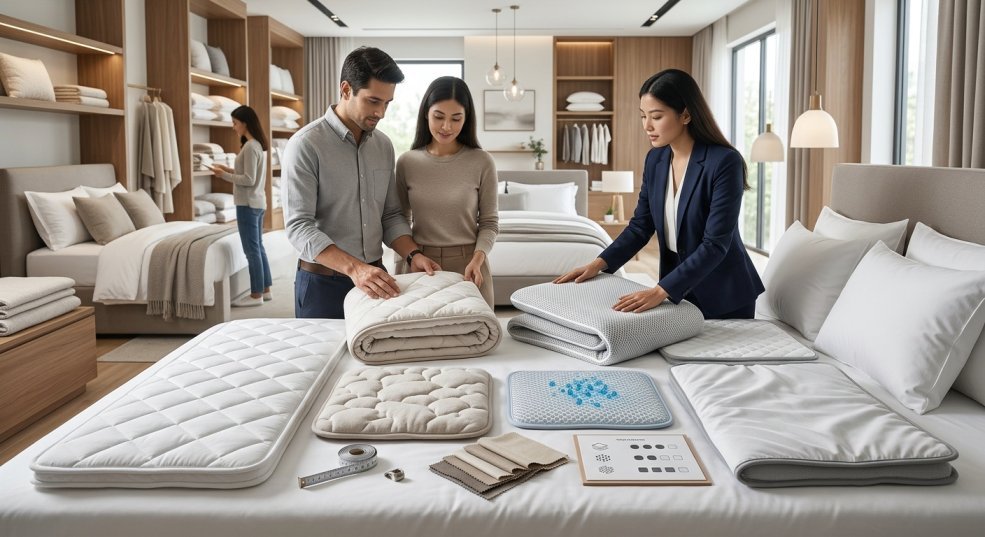
Before purchasing, measure your mattress length, width, and depth. Standard sizes include Twin, Twin XL, Full, Queen, King, and California King, but mattress thickness can vary considerably between models.
A deep pocket mattress pad is designed for thicker mattresses that require additional fabric around the sides. Check the maximum mattress depth listed by the manufacturer to avoid purchasing a pad that is too shallow.
Look for a fitted skirt and elastic corners if you want the pad to stay securely in place. These features help hold the product around the mattress, reducing movement as you sleep. A secure fit also creates a smoother surface underneath your fitted sheet.
Understanding Different Mattress Pad Materials
Each material offers a slightly different combination of comfort, breathability, and maintenance requirements.
Cotton is a practical everyday option for people who appreciate softness and airflow. Organic cotton offers another choice for shoppers interested in organically produced fabrics. Bamboo-derived fabrics are often selected for their soft feel and moisture-management properties.
Polyester fill is generally lightweight and easy to care for, making it a common choice for affordable mattress pads. Down alternative fill provides a plush feel without natural down, while memory foam and natural latex are more suitable for people looking for deeper cushioning and changes to the mattress surface.
A quilted mattress pad is another option worth considering. Its stitched construction helps keep the filling distributed throughout the pad, creating a more even and comfortable surface. When comparing designs, pay attention to fabric quality, stitching, filling, and the manufacturer’s care recommendations.
Mattress Pad vs. Mattress Topper vs. Mattress Protector
Knowing the differences between these products can prevent you from buying something that does not meet your needs.
| Feature | Mattress Pad | Mattress Topper | Mattress Protector |
| Main purpose | Comfort and everyday protection | Changes mattress feel | Protects the mattress |
| Thickness | Thin to moderate | Usually thicker | Usually thin |
| Extra cushioning | Some | Often substantial | Minimal |
| Pressure relief | Depends on filling | Often a key feature | Not usually a main feature |
| Moisture protection | Depends on design | Depends on material | Often a key feature |
| Best for | Everyday comfort and care | Additional softness or support | Protection against spills and stains |
Some products combine the functions of a mattress pad and mattress protector. Always read the product description carefully to understand the features included.
How to Choose a Mattress Pad Based on Your Sleeping Needs
Your sleeping habits can help narrow down the choices. If you tend to sleep warm, prioritize a breathable fabric and moisture-wicking construction. A lightweight cotton design may be a suitable option if you prefer a cooler, less bulky sleeping surface.
If you want a softer bed, consider a quilted mattress pad with a comfortable filling. People who need more substantial cushioning may find that a mattress topper is a better solution.
For households where spills and moisture are a concern, a waterproof mattress pad offers an additional protective barrier. If allergens are a concern, look for products with clearly stated hypoallergenic features and follow a regular washing routine.
The goal is to choose a design that suits your actual needs rather than paying for features you may never use.
Why Mattress Pad Construction and Quality Matter
A mattress pad’s quality is not determined by its fabric alone. Construction, stitching, filling distribution, and finishing all contribute to how it performs over time.
Quilted stitching helps keep filling in place and reduces uneven patches. Strong seams can support regular use, while well-designed elastic edges help maintain a secure fit. The outer fabric should also feel comfortable and be suitable for the intended cleaning routine.
Thread count can be useful when comparing certain woven fabrics, but a higher number does not automatically guarantee a better mattress pad. Look at the complete product, including its material composition, filling, construction, and care instructions.
A thoughtfully made mattress pad should provide consistent comfort and remain practical to use with everyday bedding.
How to Care for Your Mattress Pad
Regular cleaning helps keep your mattress pad fresh and comfortable. If you prefer low-maintenance bedding, look for machine-washable bedding that can be cleaned easily at home.
Always follow the manufacturer’s washing instructions. Use the recommended water temperature and detergent, and avoid harsh cleaning products unless they are specifically approved for the material.
After washing, make sure the pad is completely dry before placing it back on your mattress. Trapped moisture can affect fabric freshness and create unwanted problems. It is also worth checking the stitching, filling, and elastic corners occasionally for signs of wear.
Proper maintenance can help preserve the appearance and comfort of your mattress pad, making it a useful part of your regular bedding routine.
Common Mistakes to Avoid When Buying a Mattress Pad
One of the most common mistakes is choosing a mattress pad based on appearance alone. A beautiful design will not be much use if the material feels uncomfortable or the size is incorrect.
Another mistake is assuming that every mattress pad is waterproof. Some provide light protection and cushioning, while others include dedicated moisture barriers. Always check the specifications.
Avoid choosing thickness without considering your existing mattress. A very thick pad may make an already soft mattress feel too plush, while a thin option may not provide the cushioning you want.
Finally, do not overlook maintenance. Check washing instructions, mattress depth requirements, and the quality of the fitted skirt before making your decision.
Frequently Asked Questions About Choosing a Mattress Pad
What thickness should a mattress pad be?
The ideal thickness depends on your comfort preferences and existing mattress. A thin pad works well for light protection, while a thicker quilted design offers more cushioning. Choose a thickness that improves comfort without making the bed feel overly bulky.
Which mattress pad material is best?
There is no single best material for everyone. Cotton is popular for softness and breathability, polyester fill is often affordable and easy to maintain, and down alternative fill provides a plush feel. Memory foam and natural latex are options for people seeking more substantial cushioning.
Is a cotton mattress pad better than a polyester one?
Cotton is often preferred for its natural feel and breathability. Polyester fill is generally lightweight and can be budget-friendly. The better option depends on your priorities, including comfort, maintenance, and material preferences.
Are cooling mattress pads worth it?
They can be useful for people who tend to sleep warm. Look for breathable construction and moisture-wicking fabric, but remember that cooling performance depends on the actual materials and design.
Do I need a waterproof mattress pad?
A waterproof design may be useful if you want extra protection against spills, perspiration, or accidental moisture. If liquid protection is not a priority, a standard breathable mattress pad may be sufficient.
How do I choose the right mattress pad size?
Measure your mattress length, width, and depth. Compare those measurements with the manufacturer’s sizing guide, paying particular attention to pocket depth if you own a thicker mattress.
Can mattress pads be machine-washed?
Some can, but washing requirements vary by material and construction. Always follow the care label to avoid damaging the fabric, filling, or waterproof layer.
Find the Right Mattress Pad for Better Comfort and Protection
The perfect mattress pad should suit your mattress, sleeping habits, and comfort preferences. Consider its material, thickness, breathability, protection, and fit before buying. A well-chosen design can make everyday sleep more comfortable while helping keep your mattress in better condition. Take time to compare features and choose quality that meets your needs.