

A good mattress is an investment in better sleep, and keeping it in good condition should be a priority. A quality mattress pad offers a simple way to protect your bed while making it more comfortable. From reducing everyday wear to adding a soft layer beneath your sheets, the right mattress pad can make a noticeable difference to your sleeping experience.
What Is a Mattress Pad and Why Is It Important?
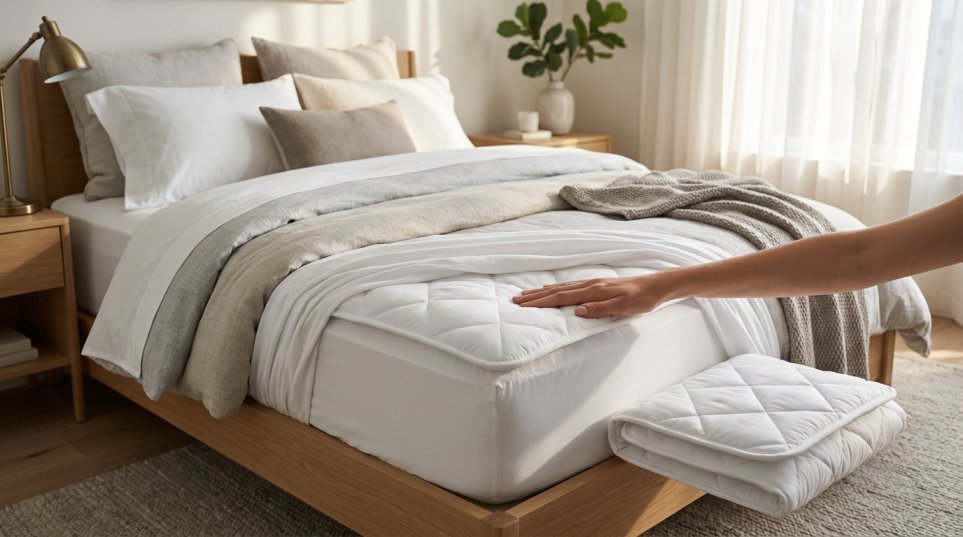
A mattress pad is an additional layer that sits on top of your mattress, usually underneath the fitted sheet. Its purpose is to improve mattress comfort while providing a degree of protection against everyday dirt, moisture, and wear. Depending on its material and construction, it may also offer extra cushioning or help regulate sleeping temperature.
Although the terms are sometimes used interchangeably, a mattress pad, mattress protector, and mattress topper serve slightly different purposes. A mattress protector is primarily designed to protect against spills, stains, and other contaminants. A mattress topper is generally thicker and intended to change the feel of a mattress by adding softness or support. A mattress pad sits somewhere between the two, often combining light cushioning with practical mattress protection.
Choosing a well-made mattress pad is a simple way to care for your bed without replacing the mattress or making major changes to your bedroom.
7 Key Benefits of Using a Quality Mattress Pad
1. Protects Your Mattress from Stains and Spills
Mattresses are exposed to everyday accidents that are not always immediately noticeable. Spilled drinks, body oils, dust, and other substances can gradually affect the cleanliness and condition of the mattress.
A quality mattress pad creates an additional protective barrier between the sleeper and the mattress surface. Some designs offer enhanced stain protection, helping prevent everyday spills and dirt from reaching the mattress directly.
For households with children, pets, or frequent guests, this extra layer can be particularly useful. A waterproof mattress pad may provide additional protection against accidental spills and liquid exposure. However, waterproof performance varies between products, so it is worth checking the manufacturer’s specifications before purchasing.
2. Provides Effective Moisture Protection
Moisture is another factor that can affect mattress cleanliness over time. People naturally perspire while sleeping, and some bedding materials retain more heat and moisture than others.
A suitable mattress pad can help manage this everyday moisture. Depending on its construction, it may absorb small amounts of perspiration or provide a barrier that prevents moisture from reaching the mattress.
Cotton mattress pad options are often appreciated for their natural softness and moisture-absorbing qualities. Waterproof designs, meanwhile, can offer additional protection against liquid spills. When choosing between them, consider your sleeping habits and whether breathability or liquid resistance is your main priority.
3. Improves Mattress Comfort
Comfort is one of the biggest reasons people choose to use a mattress pad. Even a mattress that provides good support can benefit from an additional soft layer.
A quilted mattress pad, for example, features stitched sections that help distribute its filling evenly. This construction creates a comfortable surface and adds extra cushioning without significantly changing the overall feel of the mattress.
If your mattress feels slightly firm, a padded design may make it more pleasant to sleep on. However, a mattress pad is not necessarily a replacement for a mattress topper. A topper is usually thicker and designed to make a more noticeable difference to mattress firmness and support.
4. Helps Extend Mattress Lifespan
Replacing a mattress can be expensive, so keeping your existing one in good condition makes practical sense. Everyday friction, perspiration, accidental spills, and dust can gradually affect its surface.
Regular mattress protection helps reduce direct exposure to these factors. A quality mattress pad acts as a removable layer that takes much of the everyday contact instead of allowing it to reach the mattress itself.
While no mattress pad can prevent all wear or guarantee a longer mattress lifespan, using one alongside regular cleaning can help preserve the mattress’s condition. It is a small addition that may support better mattress durability over time.
5. Helps Reduce Exposure to Dust Mites and Allergens
Bedding can collect dust, dead skin cells, and other particles as it is used. These can contribute to an uncomfortable sleeping environment, particularly for people who are sensitive to household allergens.
Choosing suitable hypoallergenic bedding may help make regular bed care easier. Some mattress protectors are specifically designed to create a barrier against dust mites and other common allergens. However, not every mattress pad offers this feature, so check the product details rather than assuming all designs provide the same protection.
Regular washing is equally important. Keeping mattress pads, sheets, and pillowcases clean helps reduce the buildup of unwanted particles and supports a fresher sleeping environment.
6. Supports Temperature Regulation
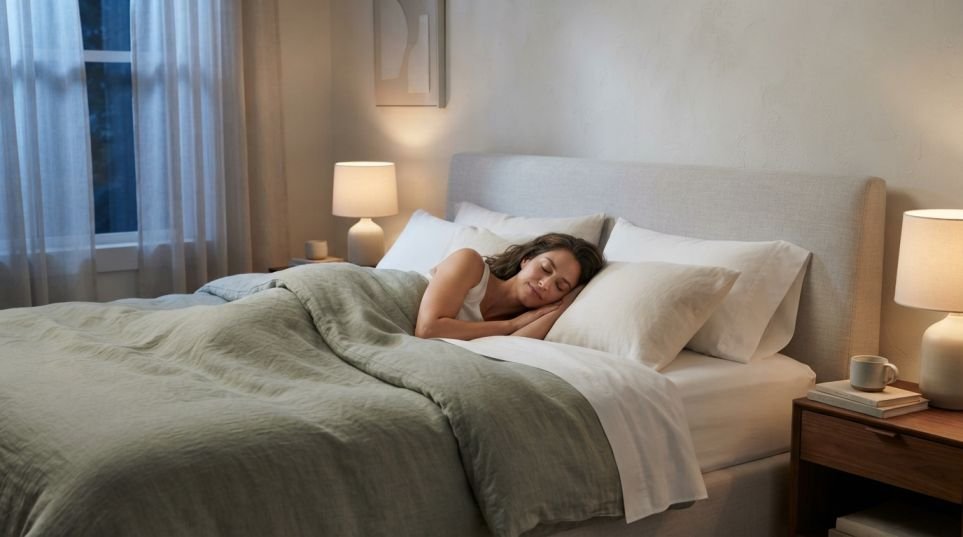
Waking up feeling too warm can make it difficult to enjoy a comfortable night’s sleep. Bedding materials play an important role in how heat and moisture are managed around the body.
A breathable mattress pad can support better airflow and breathability, allowing heat and moisture to escape more easily than less breathable materials. Cotton is a popular option because of its soft feel and naturally breathable properties.
Temperature regulation also depends on the mattress, sheets, room conditions, and individual sleeping preferences. If you tend to sleep warm, look for lightweight materials and breathable construction rather than choosing a mattress pad based on thickness alone.
7. Makes Mattress Care Easier
Cleaning a mattress can be difficult because it is bulky and cannot usually be washed in a standard washing machine. A removable mattress pad makes everyday bed maintenance more convenient.
Instead of cleaning the mattress surface whenever minor dirt or spills occur, you can remove the pad and wash it according to its care instructions. This makes easy-care bedding a practical choice for busy households.
Always check the washing temperature, drying instructions, and fabric recommendations before cleaning. Proper care helps maintain the pad’s appearance, comfort, and protective qualities.
Types of Mattress Pads to Consider
Not all mattress pads are made the same way. Understanding the available options can help you choose one that suits your sleeping habits and household needs.
Waterproof Mattress Pads
A waterproof mattress pad is designed to prevent liquids from passing through to the mattress. It can be useful for families with young children, people who experience nighttime spills, or anyone who wants additional moisture protection.
Some waterproof designs use a protective backing or membrane. Since these materials can affect airflow, look for products that balance liquid resistance with comfortable breathability.
Breathable Mattress Pads
A breathable mattress pad is a good option for people who prefer a cooler sleeping surface. These designs focus on airflow and moisture management, helping reduce the feeling of trapped heat.
Natural fabrics such as cotton are often worth considering, especially if you prefer bedding that feels light and comfortable throughout the night.
Quilted Mattress Pads
Quilted mattress pads feature stitched patterns that hold the filling in place. Besides creating an attractive finish, quilting provides a soft, cushioned surface that can improve everyday mattress comfort.
They are particularly suitable for people who want a little extra cushioning without investing in a thick mattress topper.
Cotton Mattress Pads
A cotton mattress pad is a popular choice for its softness, comfort, and breathability. Cotton feels pleasant against the skin and is suitable for everyday bedding.
For those interested in natural materials, organic cotton may also be an option. Look for clear information about fabric composition and certifications when choosing an organic product.
How to Choose the Right Mattress Pad for Your Needs
Finding the right mattress pad involves more than selecting an attractive design. Material, size, construction, and care requirements all influence how well it performs.
Choose the Right Material
Start by considering the fabric. Cotton is a practical choice for people who value softness and airflow, while quilted designs offer additional cushioning. If you prefer organic materials, look for an organic cotton mattress pad with clearly stated product details.
Think about how the material feels against your skin and whether it suits your sleeping preferences.
Consider Your Sleeping Temperature
If you often feel warm at night, prioritize a breathable mattress pad with good airflow and breathability. Lightweight fabrics can help create a more comfortable sleeping surface.
If moisture protection is more important, consider a waterproof design that also offers breathable construction. This helps you avoid choosing protection at the expense of comfort.
Check Mattress Depth and Size
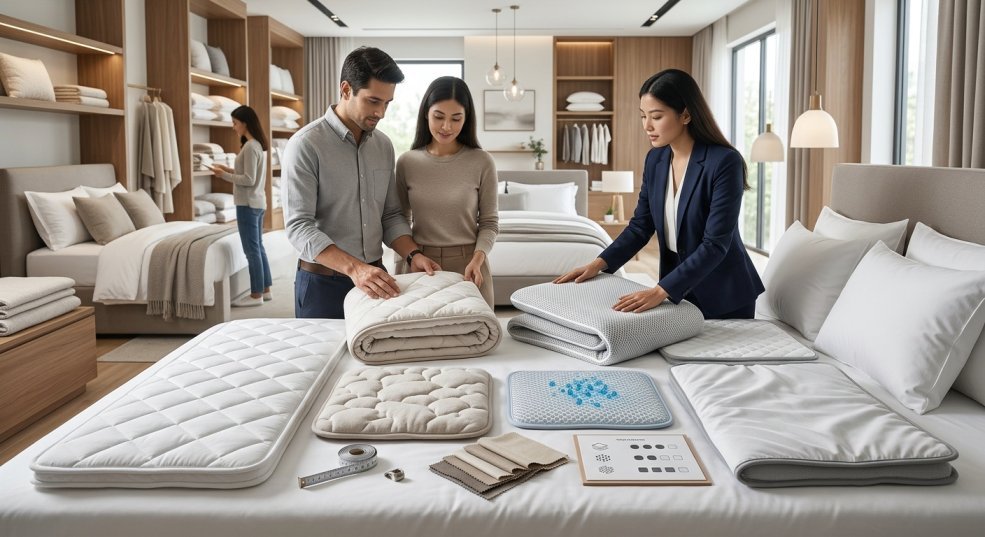
A mattress pad should fit your mattress properly. Before purchasing, measure its length, width, and depth. Mattress depth and size are especially important if you have a deep or pillow-top mattress.
A pad that is too small may pull away from the corners, while an oversized option can bunch up underneath your sheets.
Look for Fitted Designs and Elasticated Corners
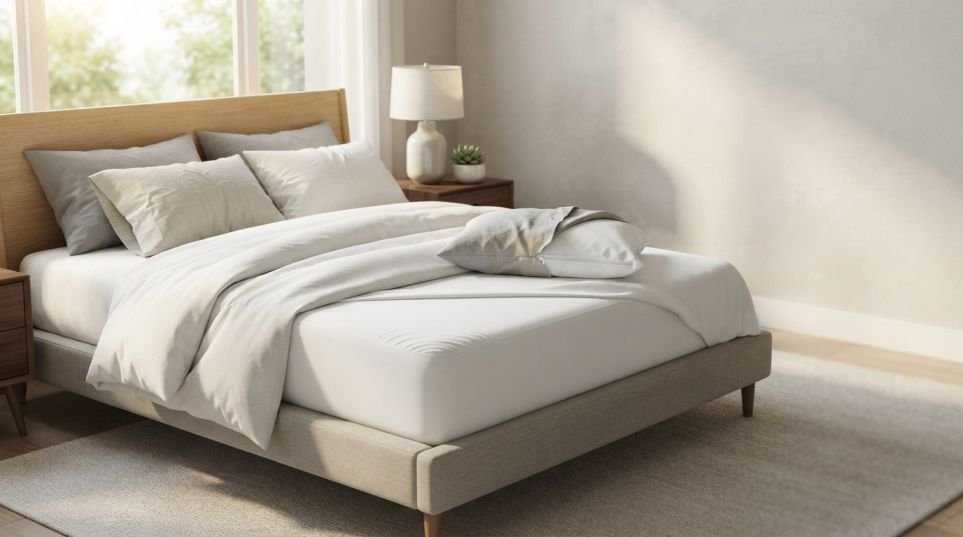
A fitted mattress pad is designed to stay securely in place during everyday use. Many styles feature elasticated corners or a fitted skirt that wraps around the mattress.
These details help prevent the pad from shifting when you move during sleep. Check the maximum mattress depth supported by the product to ensure a comfortable, secure fit.
Consider Cleaning and Maintenance
Choose easy-care bedding that fits your regular washing routine. Check whether the mattress pad is machine washable and review its drying instructions.
A product that is simple to remove, clean, and put back on the bed is more likely to become a convenient part of your regular bedding care.
Mattress Pad vs. Mattress Protector vs. Mattress Topper: What’s the Difference?
These three bedding products have different primary purposes, although some features may overlap.
| Feature | Mattress Pad | Mattress Protector | Mattress Topper |
| Main purpose | Comfort and everyday protection | Protecting the mattress | Changing mattress feel |
| Extra cushioning | Usually some | Usually minimal | Often substantial |
| Moisture protection | Depends on design | Often a key feature | Depends on material |
| Comfort improvement | Moderate | Usually limited | Can be significant |
| Best suited for | Everyday comfort and care | Protection from spills and allergens | Additional softness or support |
The best choice depends on what you want to achieve. If you need a combination of light cushioning and everyday protection, a mattress pad may be suitable. If liquid resistance is your main concern, consider a dedicated mattress protector. For a more noticeable change in mattress comfort, a topper may be a better option.
How to Care for Your Mattress Pad
Regular maintenance helps keep your mattress pad fresh and comfortable. Always follow the manufacturer’s washing instructions, as different fabrics and protective layers may require different care.
Wash the pad according to its recommended cleaning schedule, using a suitable detergent and water temperature. Avoid harsh cleaning products unless they are specifically recommended. After washing, allow it to dry completely before putting it back on the mattress. This helps prevent unwanted moisture from becoming trapped beneath your sheets.
It is also worth checking the stitching, filling, and elasticated corners occasionally. If the fabric becomes damaged or the fit becomes loose, the pad may no longer provide the same level of comfort and protection.
Common Mattress Pad Buying Mistakes to Avoid
One common mistake is choosing the wrong size. Even a high-quality product may become uncomfortable if it does not fit the mattress properly. Always check mattress depth and size before ordering.
Another mistake is focusing entirely on waterproofing while overlooking breathability. A protective layer should still support comfortable airflow, particularly if you tend to sleep warm.
It is also important not to confuse a mattress pad with a mattress topper. They serve different purposes, and choosing the wrong one may leave you disappointed with the level of cushioning or protection.
Finally, pay attention to fabric quality, washing instructions, and product specifications. A little research before purchasing can help you find bedding that meets your needs and remains comfortable with regular use.
Frequently Asked Questions About Mattress Pads
What is the main purpose of a mattress pad?
A mattress pad adds an extra layer to your mattress, providing additional comfort and helping protect against everyday dirt, moisture, and wear. The exact benefits depend on its material and construction.
Does a mattress pad help extend mattress lifespan?
It can help preserve mattress condition by reducing direct exposure to spills, perspiration, and everyday friction. Although it cannot prevent all mattress wear, it is a useful part of regular mattress care.
Is a mattress pad the same as a mattress protector?
No. A mattress protector focuses mainly on protection, while a mattress pad generally combines some protection with additional cushioning. Some products offer both functions.
Are waterproof mattress pads breathable?
Some are. Breathability depends on the protective layer, fabric, and overall construction. Check product specifications if you want both liquid protection and good airflow.
Are cotton mattress pads a good choice?
Cotton mattress pads are popular because they are soft, comfortable, and breathable. They can be a practical option for everyday use, depending on the quality and construction of the product.
Can a mattress pad help with dust mites and allergens?
Certain protective bedding products are designed to help limit exposure to dust mites and allergens. Look for clearly stated protective features and maintain a regular washing routine.
How often should you wash a mattress pad?
Follow the manufacturer’s care instructions. Washing frequency may depend on how often the pad is used, whether spills occur, and your household’s cleaning preferences.
How do I choose the correct mattress pad size?
Measure your mattress length, width, and depth before purchasing. Check the product’s sizing guide and maximum mattress depth to ensure a secure fit.
Invest in Better Mattress Protection and Comfort
A quality mattress pad is a simple way to improve everyday comfort while helping protect your mattress from moisture, stains, and wear. By choosing the right material, fit, and construction, you can make bed care easier and enjoy a more comfortable sleeping surface. It is a practical addition to any bedroom.